
Palliative care and end-of-life care are not the same thing, although one sits inside the other. Palliative care supports anyone living with a serious illness that cannot be cured, from diagnosis onwards, and some people receive it for years. End-of-life care is the part of that support offered when someone is thought to be in their last year of life. So being offered palliative care does not mean someone is dying soon. It means a team wants them to be comfortable, supported and heard. This guide explains how the two differ, what changes in daily care, and what to ask a care home in Exeter and Devon.
What Does Palliative Care Involve, and Who Is It For?
Palliative care is the wider umbrella. It provides symptom relief, emotional and practical support, and helps with planning for people with an illness that cannot be cured. Marie Curie explains that it can begin at any point after diagnosis and run alongside treatments such as chemotherapy.
End-of-life care is one part of palliative care. According to Marie Curie, it usually starts to be offered when someone is thought to be in the last year of life. The focus is comfort, dignity and making sure wishes are known. The NHS describes what it involves and when it starts.
Put simply, palliative care is about living as well as possible with a serious illness. End of life care is about being comfortable as life draws to a close. All end of life care is palliative care, but not all palliative care is end of life care.
Does Palliative Care Mean Someone Is Dying?
No. Marie Curie notes that some people receive palliative care for years. A doctor or nurse may suggest it simply to make sure someone has all the support they need.
The illness may not be curable, but symptoms can ease and a condition can settle for long periods. People can keep seeing the specialists who know their condition. If other treatments do stop, palliative care can help with how that feels.
If you are unsure whether support might help now, our guide to when someone needs palliative care covers the signs.

When Does Palliative Care Become End-of-Life Care?
There is no single date. The change happens when doctors and nurses judge that an illness is entering its final phase, usually described as the last year of life. They look at the whole picture and review it as things change.
The final days are planned separately. NICE's guideline on care of dying adults in the last days of life covers the last two to three days. It asks teams to recognise when someone may be entering that stage, including the possibility of recovery or stabilisation, so the plan is revisited rather than fixed.
For families, the practical point is communication. You should be told when the focus of care is changing, and why, and have the chance to ask questions.
Is Palliative Care the Same as Hospice Care?
No. Palliative care is a type of care, and a hospice is one team, and sometimes one place, that provides it. In the UK, a hospice is not only somewhere people go in their final days.
Hospiscare, the hospice for Exeter, East and Mid Devon, supports adults with a progressive life-limiting illness. It accepts referrals based on need rather than diagnosis, and says some people benefit from referral earlier to support planning for the future. Its services include day hospices in Exeter, Honiton and Tiverton and a specialist ward at Searle House in Exeter.
A person can also use its community team while living at home or in a care home.
What Changes in Day-to-Day Care Near the End of Life?
Care becomes more tailored to comfort and wishes. Several things usually happen together.
The care plan is reviewed with the person and those close to them. NICE says an individualised plan should be created, including the person's preferred care setting.
Emergency wishes may be recorded. The ReSPECT process creates personalised recommendations for care in a future emergency when the person cannot speak for themselves. It is based on conversations with the person and their professionals, is used in care homes, hospices and hospitals, and can be completed at any stage. Nobody has to take part in a conversation they do not want.
Medicines for likely symptoms may be prescribed in advance. NICE calls these anticipatory medicines for symptoms such as pain, breathlessness, nausea, anxiety and agitation, and recommends they are prescribed early and reviewed as needs change. That means relief is available without waiting for a new prescription.
Eating, drinking and mouth care also change. NICE advises discussing clinically assisted hydration and offering frequent mouth and lip care. People often eat and drink less near the end of life, and staff follow the person's wishes and comfort.
Medical decisions stay with doctors and nurses. Care staff provide comfort, company and everyday care. Our guide to what nursing care involves explains the clinical side.


Who Provides Palliative and End-of-Life Care in a Care Home?
A team does. Marie Curie notes that if you are in a care home, the healthcare professionals there should be able to arrange palliative care. Day-to-day, that means the care home team, the GP and district nurses.
Specialist teams join when needs are more complex. Hospiscare's referral guidelines say that for many people in the late stages of illness, needs can be met by the primary care team and care home teams, while some need specialist expertise. Its community team can support people at home or in a care home, working with the GP, consultant and district nurses. A GP can refer.
What Should You Ask a Care Home About Palliative and End of Life Care?
Start with people and timing. Who is on shift overnight, and how quickly can the team reach a nurse or the GP out of hours? How does the home spot change in condition, and how does it work with district nurses and the local hospice?
Ask about planning. How and when does the home hold ReSPECT and future-wishes conversations, and who takes part? How are anticipatory medicines arranged so that relief is not delayed?
Ask about family. Can relatives visit at any hour and stay close? Is there private space, and what support is offered to families during and after a death?
Ask about personal wishes, such as faith, culture and music, and read the home's latest inspection report on the CQC website. You can also meet the team, read about the home's approach to care or browse the FAQs.
How Does Alexander House Support Families in Exeter?
Alexander House Care Home in Pinhoe provides palliative care alongside nursing, residential, dementia and respite care, with a team available around the clock. Staff work with healthcare professionals from the local community to personalise each care plan, and families can visit without restrictions when someone is receiving palliative care.
Bedrooms are en-suite, with profiling beds, specialist equipment and call bell systems, and GP and physiotherapist visits are arranged. Families can spend time together in the private garden, and residents can join the activities programme where appropriate.
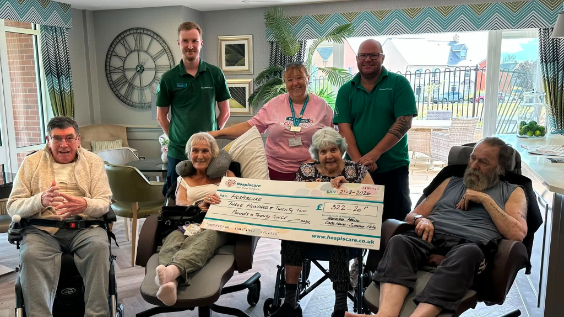
The home's latest CQC rating is 9.8 out of 10. Its summer fayre has also supported Exeter Hospiscare. To see the surrounding area, visit the Pinhoe page or read about care in Exeter.


Frequently Asked Questions
Is palliative care the same as end-of-life care?
No. Palliative care is broader and can last for years. End of life care is the part offered when someone is thought to be in their last year of life.
Is palliative care the same as hospice care?
No. A hospice is a provider of palliative care, and its community teams can support people at home or in a care home.
Can palliative care be given in a care home?
Yes. The care home team, GP and district nurses provide it, with specialist services joining when needs are more complex.
Who decides when someone moves to end of life care?
Doctors and nurses make the judgement, in discussion with the person and those close to them, and review it as things change.
Do you have to stop treatment to receive palliative care?
No. Palliative care can run alongside other treatments.
Further reading: Marie Curie on end of life care, NHS, NICE NG31, ReSPECT and Hospiscare.
If you are trying to understand what palliative or end-of-life care could mean for someone you love, please do not hesitate to contact our care health care experts at Alexander House. We are happy to listen, answer your questions, and show you around whenever you're ready.