Staying Active with Dementia: Why It Matters and How to Do It

*** This post was updated 10/3/2026***
It’s never too late to benefit from activity. Even small amounts of exercise or social engagement can improve mood, thinking and daily life for someone living with dementia. Studies show that regular exercise can enhance cognitive function and quality of life in dementia patients.
Key takeaway (TL;DR): Physical, social and mental activities help people with dementia feel better and stay more independent. Simple routines like walking, dancing, puzzles or gardening can boost memory, mood, strength and confidence. We explain how and offer practical tips.
What Counts as Staying Active with Dementia?
Being active isn’t just partaking in sports, it’s any movement or engagement that’s enjoyable. For those living with dementia, beneficial activities include:
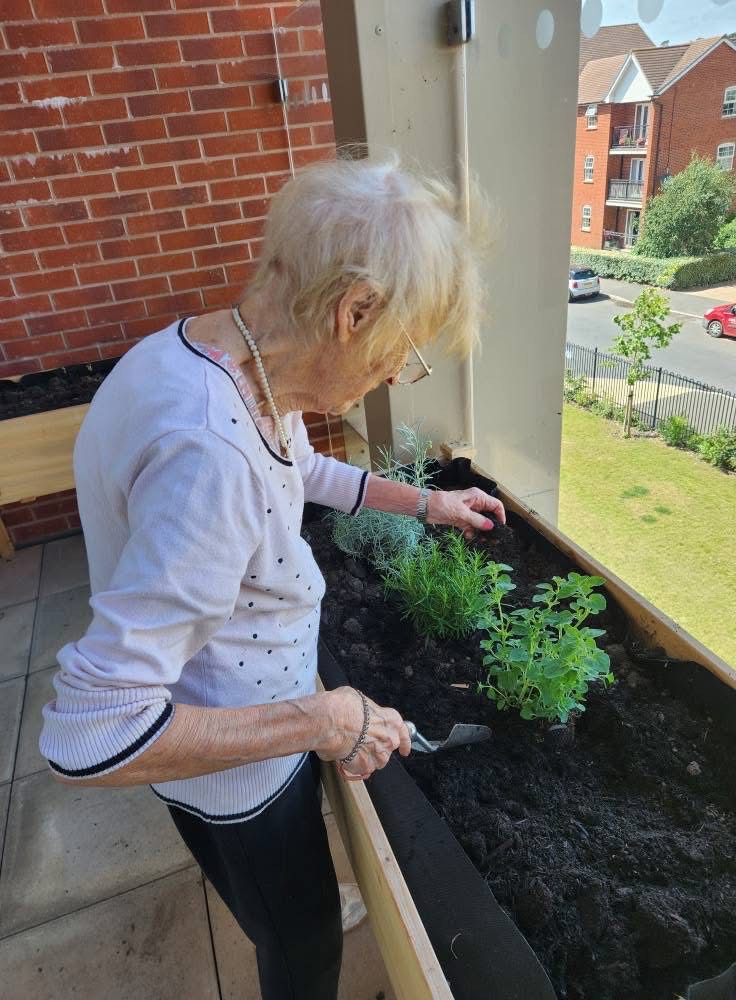
- Physical exercise: Gentle aerobic activities (walking, swimming, tai chi) and strength exercises (light weights, sit-to-stand). Even light housework or gardening counts.
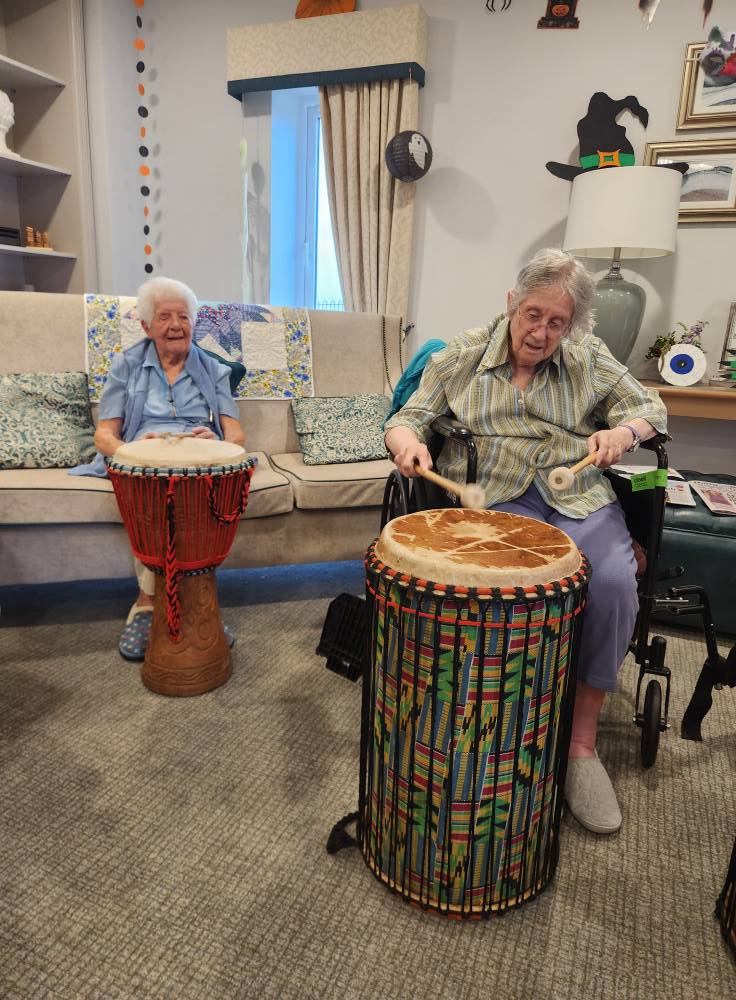
- Cognitive tasks: Puzzles, memory games, music or reading. These stimulate the brain. NHS notes that creative and mental activities help people with dementia live well.
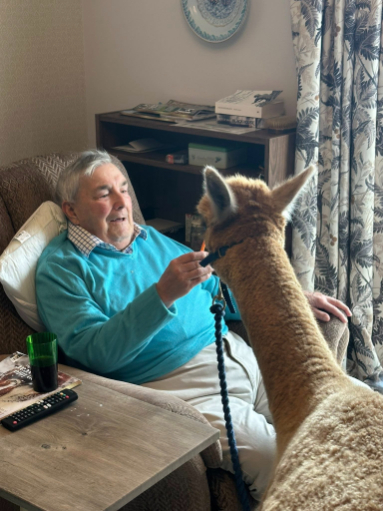
- Social engagement: Group classes, tea dances, or just conversations. Social contact improves wellbeing and reduces loneliness. Singing together or reminiscing with photos are powerful examples.
Even daily chores (cooking, folding laundry) count as activity. The goal is to keep moving and thinking in a safe, enjoyable way. A mix of activities supports physical health and brain health simultaneously.
How Does Exercise Help People with Dementia?
Research shows exercise has multiple benefits for dementia:
- Cognitive boost: A 2025 meta-analysis found that structured exercise (combining cardio, strength, balance) significantly improved global cognition in Alzheimer’s patients. Regular activity can actually slow cognitive decline. One review noted physical activity in older adults led to improvements in thinking and memory.
- Mood and mental health: Physical movement releases endorphins and reduces stress hormones. This can lessen anxiety or depression. The scoping review found exercise improved mood and behaviour in dementia. Staying active also gives a sense of routine and achievement, which lifts spirits.
- Physical fitness: Strength, balance and flexibility exercises help maintain mobility, reducing the risk of falls. It also improves heart and lung health, which indirectly supports brain function. (As NHS says, what is good for the heart is good for the brain.) Regular walking or chair exercises keep muscles toned and joints flexible.
- Quality of life: Caregivers in studies report that active people with dementia seem more engaged and content. The 2025 study found exercise improved overall quality of life. Even social activities like a gentle dance or a gardening club can make daily life more meaningful.
Starting & Adapting Activities
Begin slowly and enjoyably. Here are steps to get started safely:
- Assess abilities: Talk to your doctor or physiotherapist about any health concerns (arthritis, heart issues, falls risk). They can suggest suitable exercises.
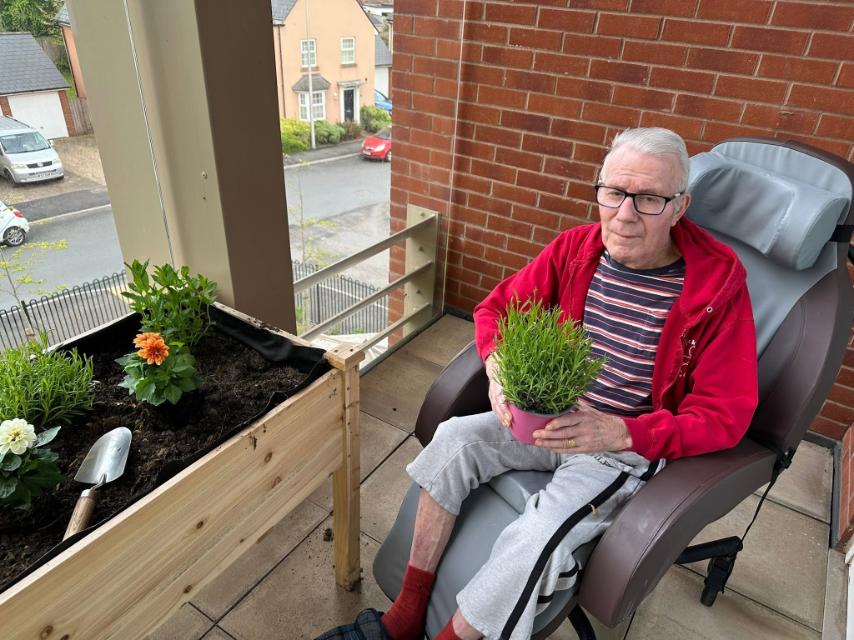
- Choose interests: Pick something the person likes or used to enjoy (e.g. dancing, gardening, puzzles). If someone loved gardening, begin with simple watering or potting. If they enjoyed music, try a singing group.
- Set routine: Short daily sessions (even 5–10 minutes) work better than sporadic long ones. Consistency matters. For example, a morning walk and an afternoon music game.
- Safe environment: Ensure a stable chair is nearby for support. Remove trip hazards. For outdoor walks, use walking poles or a companion. Indoor options (like chair yoga) are great if weather or mobility is an issue.
- Company helps: Exercising with friends or family is motivating. Join a dementia-friendly class (many communities offer gentle exercise or dance classes). Shared activities also strengthen mood and connection.
- Monitor comfort: Watch for signs of fatigue or frustration. If an activity causes stress, try a simpler one. The goal is positive enggement, not performance.
What Activities are Safe For Those Living with Dementia?
Safety first: Always adapt activities to ability. For example:
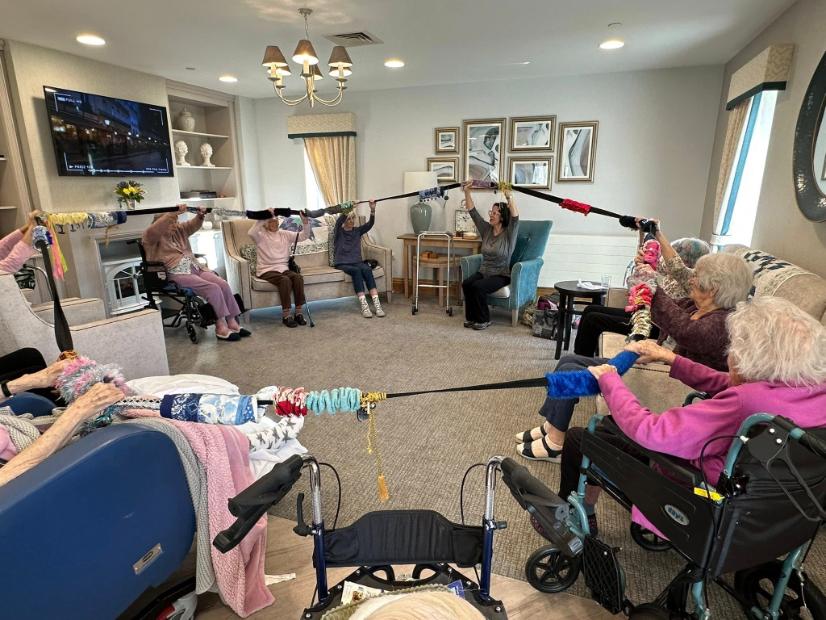
- For balance issues, stick to seated exercises (chair yoga, seated dance) or support-assisted walks.
- Use assistive devices as needed (walking frame, grip bars).
- Monitor the person, ensure they stay hydrated and rest if tired.
- If in doubt, consult a physical therapist who can recommend suitable routines (like Otago exercises to prevent falls).
- Introduce new activities gradually; avoid anything too complex or strenuous.
Remember: Any movement is better than none. Even standing up and sitting down repeatedly builds strength. It’s okay if they only manage a few minutes at first. The aim is consistency and safety.


Staying Socially and Mentally Active
Physical activity is just one piece. Social and mental engagement are also crucial:
Social clubs: Find memory cafés or day centres. NHS highlights that staying connected lifts confidence. Singing groups or craft clubs offer fun, purpose and friendly faces.
Cognitive games: Reminiscence therapy (looking at old photos together) or simple quizzes can stimulate memory gently. Apps and games designed for dementia can be done on tablets (see NHS suggestion).
Purposeful chores: Involve them in daily life, folding laundry, watering plants, setting the table. These tasks are activity and give a sense of contribution.
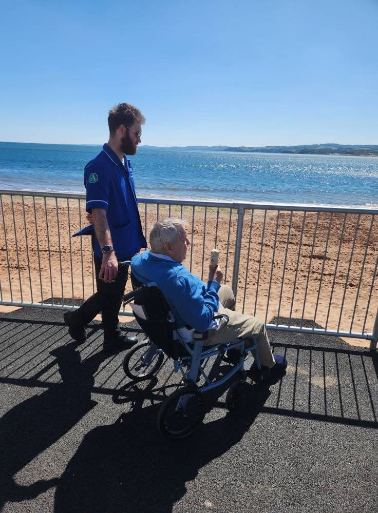
In short, combine movement with meaning. A walk in a local park both exercises the body and changes the scene, that double benefit keeps the mind engaged.
Frequently Asked Questions
How much exercise is needed?
For people living with dementia, even small amounts help. Aim for at least 10–15 minutes of activity (walking, stretching) most days. NHS guidelines for older adults recommend 150 minutes of moderate activity weekly, but start with what’s comfortable. Incrementally increase duration or intensity if possible.
My loved one has advanced dementia. Can they still exercise?
Yes. While routines must be simpler, movement is still beneficial. Focus on very basic activities: gentle hand exercises, music and dance in their seat, or just going for a roll in a dementia-friendly chair outside. Even sensory activities (like feeling different textures or gentle massage) count as staying active for very late stages.
What if the person refuses or is uncooperative?
Begin by doing activities together. Offer choices (“Would you like to walk to the garden or do some seated exercises?”). Keep a relaxed mood, and try again later. Positive reinforcement (praise for any effort) helps. Often companionship or turning it into a game can reduce resistance.
Can exercise replace medication?
No, but it supplements treatment. Staying active supports overall brain health and can improve quality of life. Always follow the care plan from doctors, but see exercise as a valuable addition, not a replacement.
Where can I find programs for dementia-friendly exercise?
Check local Alzheimer’s Society or Age UK listings. Many community centres offer “dementia-friendly” activity groups (yoga, music, gardening). The NHS and Alzheimer’s sites (Alzheimer’s Society and Age UK) have directories. Some charities like Dementia Adventure also arrange day trips or gentle hikes. Your GP or social services may know local resources.
Sources
Physical activity for people with dementia: a scoping study - PMC
https://pmc.ncbi.nlm.nih.gov/articles/PMC4222572/
Physical activity and the risk of dementia | Alzheimer's Society
https://www.alzheimers.org.uk/about-dementia/managing-the-risk-of-dementia/reduce-your-risk-of-dementia/physical-activity
The comprehensive impact of exercise interventions on cognitive function and quality of life in alzheimer’s disease patients: a systematic review and meta-analysis - PMC
https://pmc.ncbi.nlm.nih.gov/articles/PMC12599043/
Activities for dementia - NHS
https://www.nhs.uk/conditions/dementia/living-with-dementia/activities/