Dementia Care Journey Explained | Alexander House, Somerset
Dementia is a progressive condition, which means symptoms may start mildly and become more challenging over time. The dementia care journey refers to the stages of living with dementia from diagnosis through to needing more intensive support. In early stages, many people can stay safely at home with familiar routines and extra help. As needs change, families often add home care, equipment or respite breaks. Eventually, when everyday tasks or safety become too hard to manage, moving into a specialist dementia care home may be the best option. Understanding this journey helps families recognise changing needs and plan ahead. At each step, the focus is on dignity, respect and personalised support for the person living with dementia.
The Dementia Care Journey
Dementia affects everyone differently, but it is progressive, so most people gradually need more help with daily living. Healthcare experts often describe three stages of dementia (sometimes called mild, moderate and severe) to help illustrate how needs change. In the early or mild stage, a person may notice memory lapses, finding words or handling money difficult. Support may be as simple as reminders, a medication organiser or help with finances. In the middle or moderate stage, memory and problem-solving difficulties become more obvious. The person may struggle more with tasks like cooking, dressing or shopping and may become confused or anxious in new situations. They often need regular support or supervision. In the late or severe stage, the person will likely need help with most aspects of daily life. They might not recognise familiar faces and will rely on others for personal care around the clock.
Each person’s journey is different. Health conditions or events (like a fall or hospital stay) can speed up changes. The key is to adapt support as needs evolve, always keeping the person’s comfort and preferences in mind.
Recognising Changing Needs
No two people follow exactly the same path, but there are common signs that dementia is progressing. Initially, a person may manage well, perhaps needing occasional reminders or minor help. Families often notice subtle changes such as forgetting appointments, repeating questions, becoming withdrawn or unusually tired. Over time, difficulty with daily tasks can become more frequent. For example, a person might stop cooking independently, have trouble with personal care or forget to take vital medicines. Safety issues may emerge such as getting lost, unexplained bruises or accidents at home. Changes in mood or behaviour (anxiety, agitation or hallucinations) can also signal increasing dementia-related needs.
Alzheimer’s Society notes that a move to a care home is considered when a person “is no longer managing at home” or is not safe there. This might look like frequent falls, accidents with stoves or confusion on stairs – anything that threatens safety. Sometimes a crisis (for example, a severe fall or illness to the main carer) suddenly makes home care impractical. Other times, needs simply build over months and years. It’s important to watch for signs of carer strain too, family members might feel exhausted, anxious or guilty about not coping alone.
In short, if everyday care needs (personal care, meals, medication, social engagement) consistently exceed what can be managed at home, it’s time to explore further support. Recognising these changes early, perhaps by talking with a GP or dementia adviser, allows the family to plan calmly. Remember, asking for help is a responsible step. Focusing on the person’s safety, comfort and dignity is the priority.
Home-Based Support Options
Many people living with dementia live well at home for a long time. In fact, “many people with mild-to-moderate dementia are able to stay in their own home” if given the right help. Familiar surroundings and routines often benefit someone living with dementia. NHS advice highlights several home support options that families can arrange before considering a care home.
Home adaptations and technology can make a big difference. For example, installing stairlifts, grab rails, better lighting or fall alarms can improve safety. Specialist equipment (like easy-grip utensils or dressing aids) and home aids (like automatic pill dispensers) may help maintain independence.
Care and support services for the home environment are also available. A care worker or home carer can visit regularly to assist with bathing, dressing, meals and medications. Charities and councils sometimes offer daytime clubs or activities where the person can socialise for part of the week. Supported living services or extra-care housing are options, providing accommodation with on-site staff support. Respite care (short stays in a care home) can give families a break and let the person try out being away from home temporarily.
Families should get a needs assessment from social services if staying at home becomes hard. This assessment identifies what support the person needs (such as home care, equipment or day programmes) and what services are available. Carers can also request a carers’ assessment for themselves, which can unlock advice and extra support.
When to Consider a Dementia Care Home?
Deciding to move into a care home is a very personal choice. It often comes after a series of events or gradual changes. You should be considering a care home if a loved one is struggling to live alone even with help or if they have a complex medical condition requiring specialist attention at all times. For a person living with dementia, this might mean if they are unsafe at home or if their care needs are too great for family or carers to manage.
Another common reason is carer health. If the family carer becomes ill or exhausted, it might not be safe or fair to continue intensive home care. In such cases, a care home provides consistent support day and night, relieving families from the full burden of care.
Moving into a care home doesn’t mean family are giving up; rather, it means choosing an environment specifically tailored to the person’s needs. Importantly, the person’s dignity and preferences should remain at the centre of the decision.


What Dementia Care Homes Provide
When a care home is needed, it offers much more than just a roof over one’s head. A good dementia care home is a safe, welcoming environment designed for people living with dementia. The setting at Alexander House, for example, is arranged to reduce confusion and promote comfort. Corridors may have clear signage, quiet lounges or gardens where residents can relax and memory corners with photos to remind people of home. These features help people feel secure and oriented.
Staff in a dementia care home are trained to understand dementia and to deliver person-centred care. This means every resident’s routines, preferences and life history are honoured. Care plans are created with the resident and family, not just for them. Our experienced team will help with personal care (washing, dressing, toileting), meals and medications, but always in a way that respects the person’s independence as much as possible.
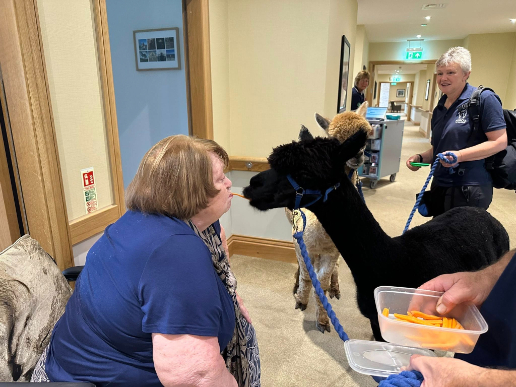
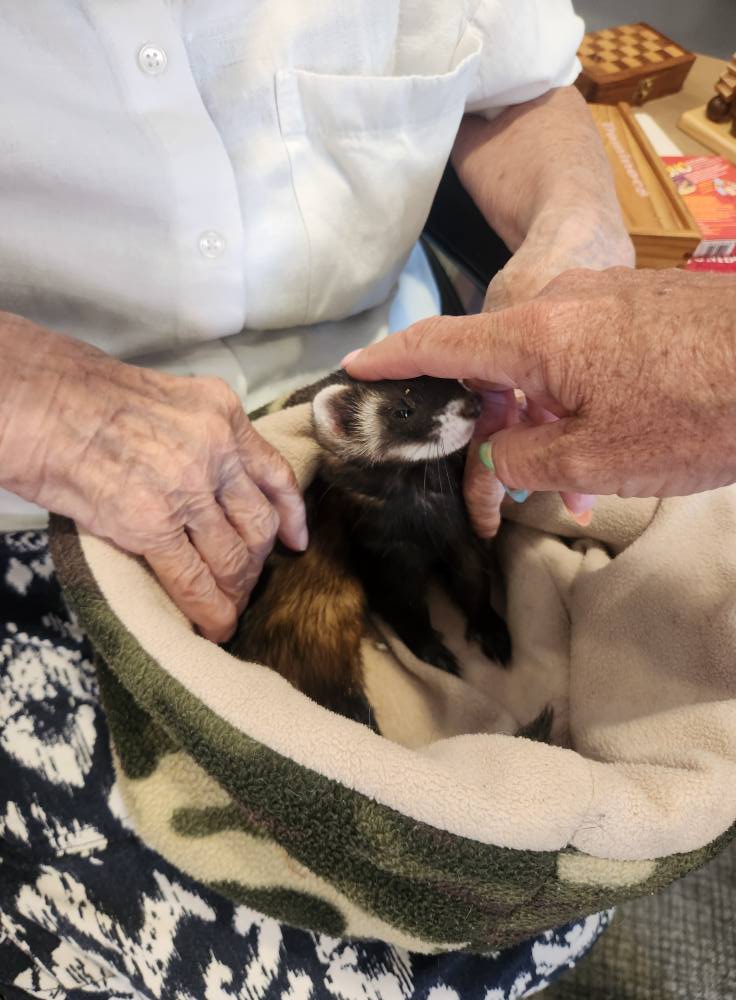
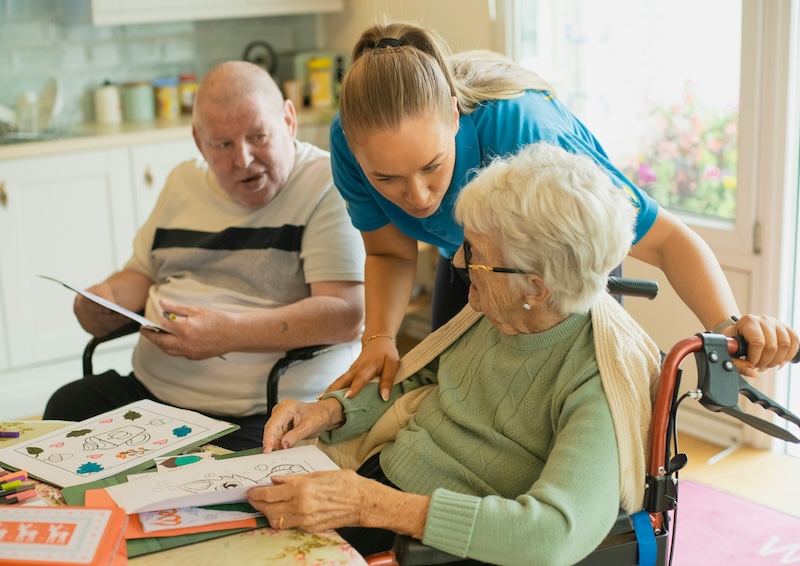
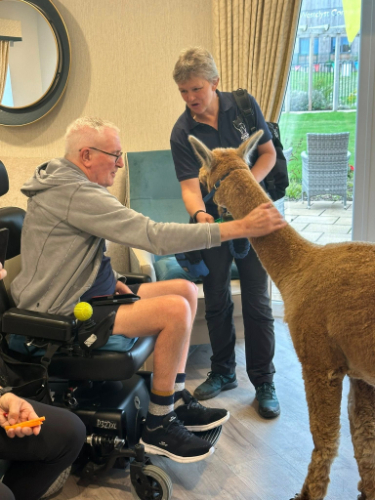
Engaging activities are a core part of life in a dementia care home. Trained staff organise gentle exercise, music, games, reminiscence sessions and outings, tailored to residents’ interests. These activities encourage social interaction and mental stimulation, which can reduce anxiety and agitation. In smaller-scale or “household” settings, staff can quickly notice changes in mood or behaviour and adjust routines.
Safety is another critical aspect. Dementia care homes have 24/7 staffing, with nurses available if medical issues arise. Equipment for mobility and medical support (hoists, wheelchair-friendly bathrooms, etc.) is readily available. The care team works closely with healthcare professionals to manage conditions like diabetes, heart problems or the later stages of dementia.
Practical Next Steps
Get assessments and plans – After a diagnosis, ensure a care plan is developed, outlining the person’s needs and desired activities. If daily tasks become hard, request a social services needs assessment to identify support (home care, equipment, etc.). Ask for a carers’ assessment too, so you can get help if needed.
Talk to professionals – Maintain contact with the GP, dementia specialist nurses or memory service. They can advise on treatment options and community services. Consider speaking with a dementia adviser (e.g. via Alzheimer’s Society) for personalised information.
Explore home support – Look into home adaptations and care services. The NHS recommends considering home care, meal services or household help if staying at home.
Plan finances and funding – Contact your local council for information on funding. If a care home move is needed, a financial assessment will determine what you pay. Also check if the person qualifies for NHS Continuing Healthcare for health-related care costs.
Visit and research dementia care homes – When considering dementia care homes, compare options. Read CQC inspection reports and visit shortlisted homes. Alexander House welcomes tours and will answer your questions honestly.
Stay connected – Connect with local support groups or online forums. Charities and community groups can provide valuable advice on daily living, finances, legal planning and coping strategies.


Dementia Journey FAQs
How do I know when home care is no longer enough?
Look for increasing difficulty with daily tasks (personal care, cooking, medicines), safety risks at home (falls, wandering, unattended appliances) or major changes (hospital stay, health decline). When you find it hard to meet the person’s needs and well-being, it may be time to explore stronger support options. Speaking with a doctor or a dementia advisor can help clarify this.
What should we bring when moving to a care home?
Pack personal items that will comfort the resident: photos, favourite blankets or clothing, books and any hobbies (like knitting or puzzles). Familiar objects help make the new room feel like home. Also, share the person’s daily routines and preferences with staff so they can maintain familiar mealtimes and habits.
Will my relative lose independence in a care home?
No. Dementia care homes focus on individual needs. Staff encourage residents to do as much as they can themselves and keep to their routines. For example, if they used to set the table or tend to a pet, we try to involve them in similar tasks. The environment and staff support are there to keep residents safe while respecting their choices.
How can I be involved after the move?
You can stay actively involved by attending care reviews, sharing information about your loved one’s life story and visiting regularly. Homes often welcome family outings, events and volunteering in activities. If travel is hard, phone or video calls are helpful. At Alexander House, we keep families updated and encourage them to participate in care planning, so everyone remains partners in care.
Dementia Care at Alexander House
Deciding how and when to change care for someone with dementia is a big step. Recognising the person’s changing needs and understanding each stage of the journey can bring clarity and reassurance. By exploring available support, whether at home or in a care home and involving your loved one as much as possible, you can make the journey smoother and more positive for everyone.
If you would like to learn more about dementia care at Alexander House, our team would be happy to speak with you.